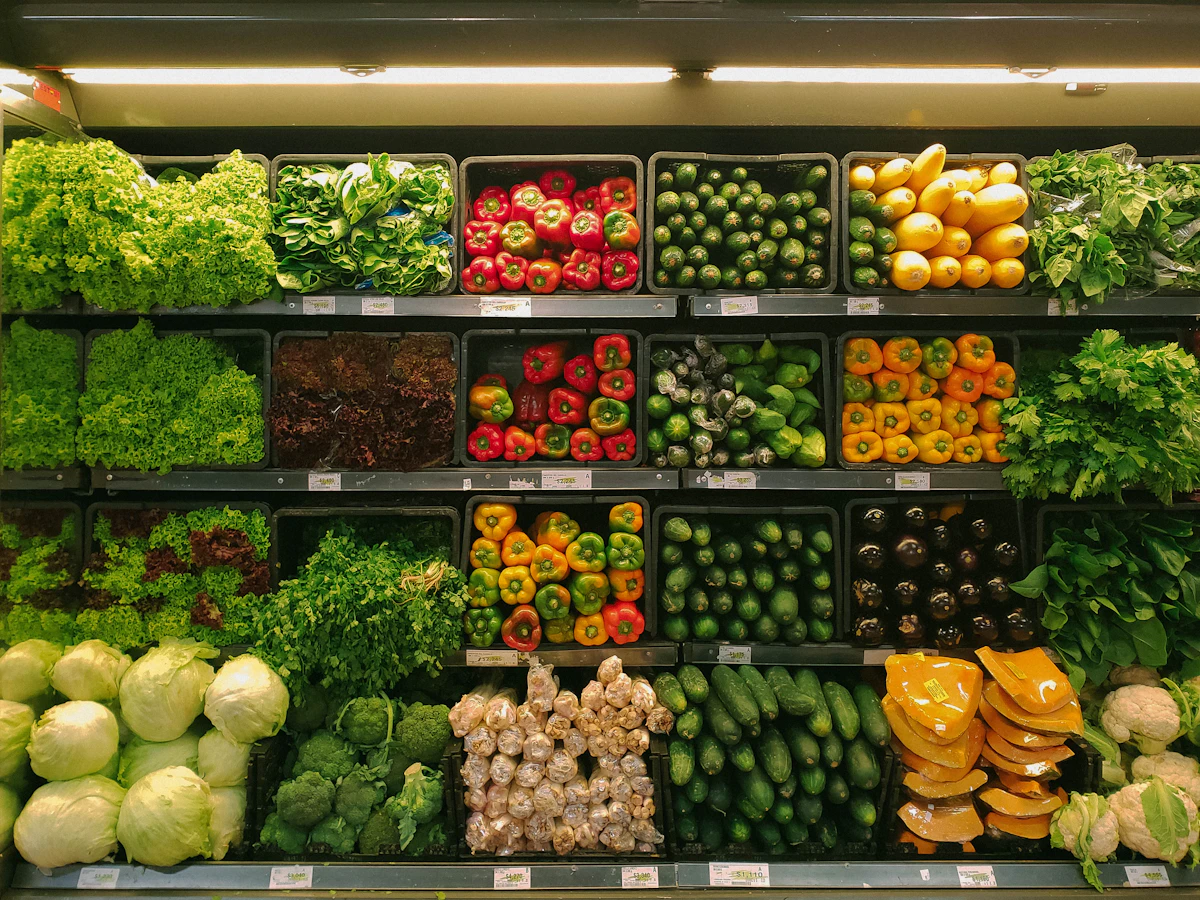
Start with the cold chain
Fresh food lasts longer when it spends less time warming up. Shop for refrigerated and frozen foods last, go straight home when you can, and keep your refrigerator at 40°F or below. A small fridge thermometer is one of the cheapest ways to protect both freshness and food safety.
Separate foods that ripen other foods
Some fruits release ethylene gas as they ripen. That is useful for softening an avocado, but it can make greens, broccoli, cucumbers, and herbs break down faster. Keep apples, bananas, pears, avocados, peaches, and tomatoes away from delicate vegetables unless you are intentionally trying to ripen something.
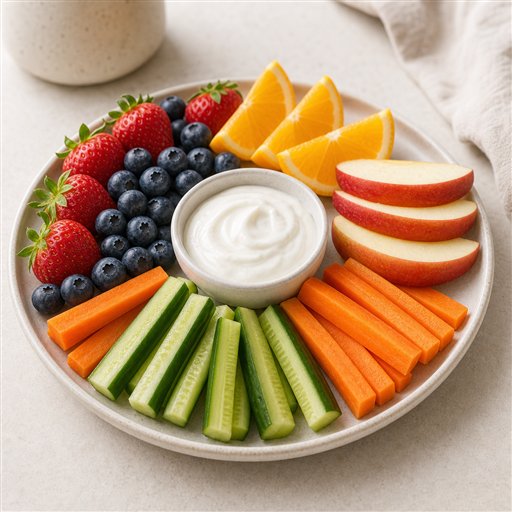
Fruit
Ripen bananas, avocados, peaches, pears, and tomatoes on the counter, then refrigerate once ripe.
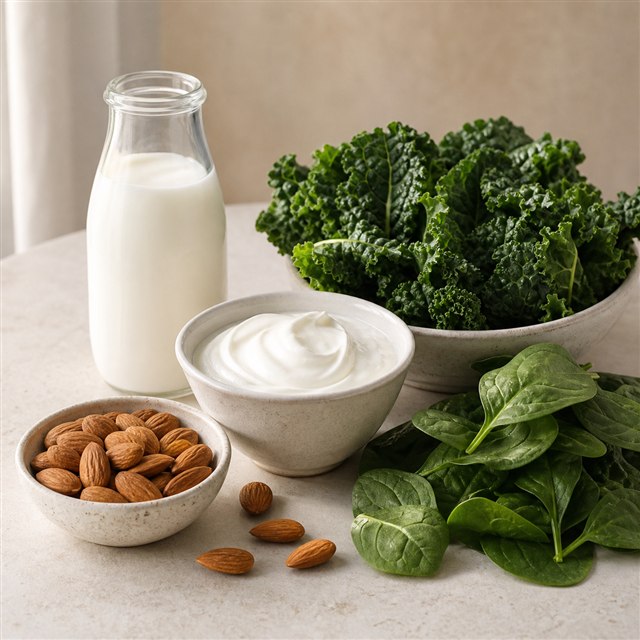
Greens
Store with a dry paper towel in a sealed bag or container. Moisture control matters.
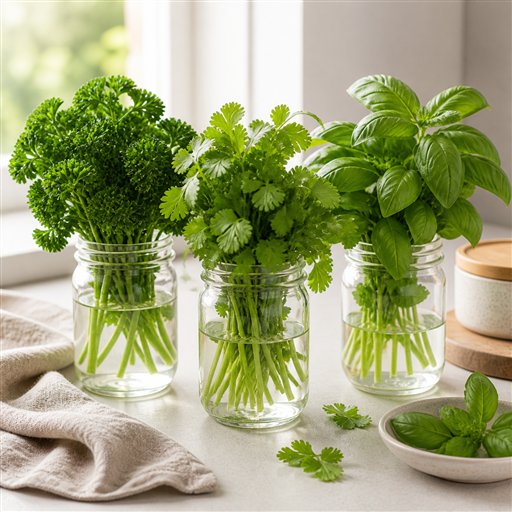
Herbs
Treat parsley and cilantro like flowers in a jar of water; wrap basil loosely and keep it out of the coldest spots.
Proteins
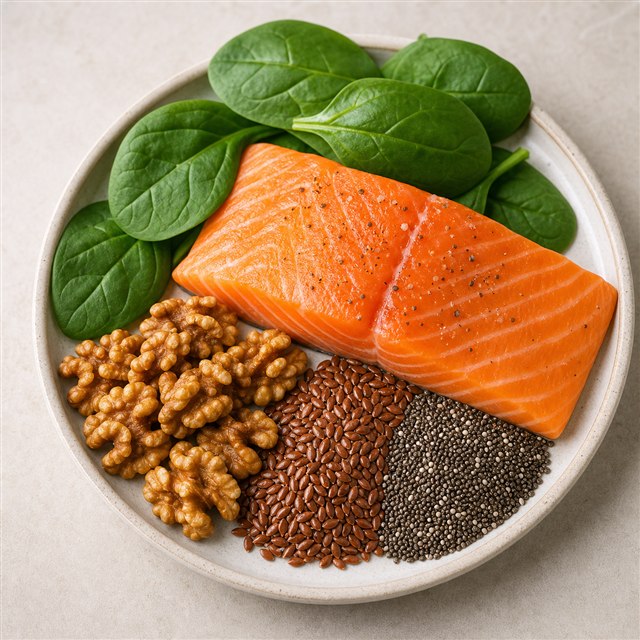
Keep raw meat and seafood on the lowest shelf in a tray so juices cannot drip onto ready-to-eat foods.
Use containers intentionally
Airtight containers help leftovers and cut produce. Breathable storage helps many whole vegetables. For berries, avoid washing until you are ready to eat them; extra moisture encourages mold. For carrots and celery, trim and store in water if they start to dry out, then change the water every few days.
Prep less, batch smarter
Prepping every ingredient at once can shorten shelf life. Wash and chop sturdy vegetables first, such as carrots, cabbage, peppers, and broccoli. Leave berries, herbs, lettuce, and cucumbers whole until closer to the meal. Cooked leftovers should usually be eaten within 3-4 days or frozen in meal-size portions.
Good storage habits
- Label leftovers with the date cooked.
- Cool large batches in shallow containers.
- Use clear bins so produce stays visible.
- Freeze extra soups, stews, cooked grains, and sauces.
- Plan the most fragile produce early in the week.
Habits that waste food
- Putting hot, deep pots directly into the fridge.
- Storing herbs loose in the crisper drawer.
- Washing berries before storage.
- Keeping raw meat above produce or leftovers.
- Forgetting older ingredients behind new groceries.
Build meals around what fades first
AIM meal plans work best when the fragile foods get used first. Put tender greens, berries, fresh herbs, seafood, and prepared salads early in the week. Save cabbage, carrots, squash, onions, potatoes, frozen vegetables, and kitchen staples for later meals.
Use your fresh food before it fades
Build a weekly plan that uses fragile ingredients first and turns leftovers into easy follow-up meals.
Build my meal plan